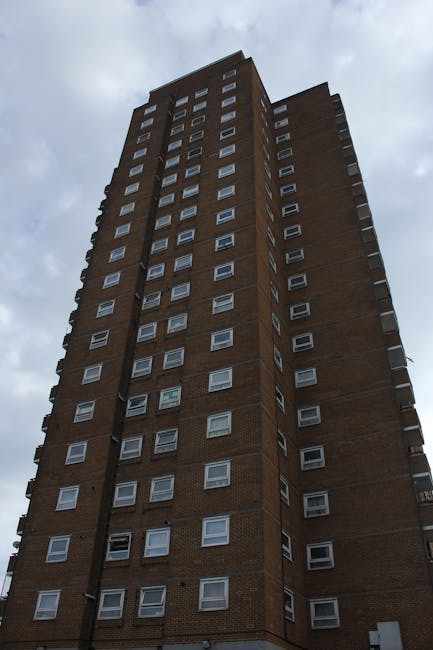
Upper Marsh market removals advice for Waterloo flats

If you are planning a move near Upper Marsh and living in a Waterloo flat, you probably already know the awkward bits are rarely the boxes themselves. It is the stairwell that turns tight at the landing. It is the lift that arrives late. It is the loading bay that seems fine until a van blocks the wrong stretch of road and suddenly everyone is waiting. That is why solid Upper Marsh market removals advice for Waterloo flats matters: it helps you move with less stress, fewer surprises, and a much better sense of control.
In this guide, we will walk through the practical side of moving from or to a flat in Waterloo, with particular attention to the Upper Marsh area and the way local market traffic, narrow access, and block rules can affect timing. You will find step-by-step planning advice, common mistakes, useful comparisons, and a realistic checklist you can actually use. No fluff. Just the stuff that tends to matter on moving day.
Why Upper Marsh market removals advice for Waterloo flats Matters
Moves in Waterloo can look straightforward on paper, and then real life shows up. Upper Marsh is close to busy pedestrian routes, market activity, transport links, and a patchwork of residential buildings with different rules. That combination makes removals more sensitive to timing than in a quieter suburb. If you are moving from a flat, you may have shared hallways, controlled access, booked lift slots, or parking that disappears if you do not stay on top of it.
It also matters because flats tend to have less margin for error. A house move can absorb a bit of chaos; a flat move often cannot. One delayed van arrival can mean lost lift slots, annoyed neighbours, and a rushed carry down several flights of stairs. Truth be told, that is where frustration usually starts. Not with the packing. With the logistics.
Upper Marsh market removals advice for Waterloo flats is useful because it focuses on the parts that are easy to overlook: access, timing, building rules, route planning, and realistic load sizes. If you get those right, everything else feels easier. Not effortless, but easier.
Expert summary: For Waterloo flats, the move is rarely won by packing harder. It is won by planning access better, timing the day properly, and matching the job size to the realities of local streets and building restrictions.
How Upper Marsh market removals advice for Waterloo flats Works
The process starts with understanding the building, the street, and the van route as one system. In practical terms, that means you do not just ask, "How many boxes do I have?" You also ask: Can a van stop nearby? Is there a lift? Is the entrance wide enough for furniture? Are there time windows when access is easier because the area is quieter?
For a Waterloo flat, especially near Upper Marsh, a good removals plan usually follows a few stages:
- Assess access - check stairs, lift size, corridor turns, entry codes, and any restrictions on vehicle stopping.
- Estimate load type - boxes, soft furnishings, appliances, dismantled furniture, fragile items, and anything awkward such as mirrors or plants.
- Plan timing - avoid peak congestion where possible, and build in a buffer for delays, not just optimism.
- Prepare the flat - label, protect, and separate what is coming with you from what is being disposed of or stored.
- Coordinate with the building - check any booking requirements for lifts, loading areas, or concierge sign-in.
- Move in stages if needed - sometimes the smartest approach is to split the job into a small number of well-timed trips rather than forcing one chaotic run.
This is where local knowledge helps. A removal that works smoothly in a quiet residential street can feel completely different a few minutes away in a busier part of Waterloo. You do not need to overcomplicate it, but you do need to respect the environment. A van parked badly for ten minutes can create more trouble than a box of fragile dishes ever will.
One small but important point: if you are moving from a market-adjacent property, the rhythm of the area matters. Early mornings can be calmer. Midday can be tighter. Even a short move can feel longer if you hit the wrong window. That is the kind of detail people often miss until the day itself.
Key Benefits and Practical Advantages
Good removals advice is not just about avoiding stress, although that is a lovely side effect. It also saves time, reduces damage risk, and helps you coordinate a move around the realities of flat living.
- Less carrying distance when parking and access are thought through properly.
- Lower damage risk because furniture is protected and handled in a logical order.
- Fewer delays thanks to realistic timing and building coordination.
- Better neighbour relations because you are not blocking shared spaces or stretching the move across the day.
- Cleaner handover if you are leaving a rental flat and need to return it in decent condition.
- More control over what happens, which honestly makes the day feel much less chaotic.
There is also a quieter advantage: confidence. When you know where the van is stopping, which boxes are going first, and what the plan is if the lift gets busy, you simply feel more grounded. That matters. Moving day can already be noisy enough - tape tearing, someone calling for the kettle, a door propped open, the whole scene. A calm plan cuts through that.
Who This Is For and When It Makes Sense
This advice is especially relevant if you are:
- moving into or out of a Waterloo flat with limited access
- living near Upper Marsh and expecting market traffic or busier street conditions
- dealing with a top-floor flat, a small lift, or multiple stair flights
- moving with bulky furniture, white goods, or fragile items
- trying to coordinate a move around work, childcare, or a tight tenancy deadline
- downsizing and needing a more careful sort-out of what stays, goes, or goes into storage
It also makes sense if you are the sort of person who wants the move done neatly rather than "good enough." To be fair, most people think they will be fine until the final 20% of the job arrives. That is where the pain usually is: the awkward sofa, the missing tape, the forgotten document folder, the one heavy box nobody wants to touch.
If your flat is in a managed block, or if you are sharing access with other residents, the advice becomes even more valuable. The building might have its own way of doing things. Ignore that at your peril. Well, maybe not peril. But definitely inconvenience.
Step-by-Step Guidance
1. Start with a flat-specific survey of the move
Walk through the route from the front door to the van. Measure the bits that matter: stair widths, corridor bends, lift dimensions, and any low ceilings or narrow turning points. If you have ever tried to turn a wardrobe corner-first down a tight landing, you know why this matters.
Note where the parking is likely to happen and how far items may need to be carried. A move that looks local can still involve a surprisingly long carry if stopping space is limited. A few extra metres is nothing when you are carrying a laundry basket; it is a different story with a mattress.
2. Sort your belongings before you pack
Do not pack first and think later. Separate everything into four clear groups: keep, donate, store, and dispose. This is one of those small steps that saves a lot of future muttering. Fewer random boxes. Less duplication. Less "where on earth did I put that charger?"
If you are moving from a smaller Waterloo flat, this is the moment to be honest about clutter. Small flat, too much stuff - it happens. Nobody is immune.
3. Book around access, not just around your calendar
The best moving slot is not always the earliest one or the one that feels most convenient. It is the one that fits your building rules, likely traffic conditions, and the amount of daylight you need. If there is a market nearby, think carefully about the busiest windows and how they may affect stopping, unloading, and general foot traffic.
Ask yourself: will the van be able to pause where it needs to? Will someone need to stay with it? Can the move be done without repeatedly crossing busy pedestrian space? These are not glamorous questions, but they are the ones that save the day.
4. Pack for sequence, not just safety
Pack so that the first things you need are easiest to reach. Put kettle, mugs, phone chargers, basic toiletries, cleaning wipes, and a change of clothes somewhere obvious. Label the boxes by room and priority. If you are moving into a flat where you may not unpack everything on day one, this is especially useful.
A simple system works best:
- Essentials bag for the first night
- Clearly labelled boxes for each room
- Fragile items wrapped and marked
- One "open first" box with tools, tape, scissors, and basic cleaning supplies
5. Protect the building as well as your belongings
Lift doors, walls, door frames, and floor surfaces can all take a beating during a move if you do not protect them. Blankets, corner guards, and careful carrying are not overkill. They are just sensible. In a flat, you are working in shared space, and shared space deserves a bit of respect.
6. Build in time for the unexpected
Something always takes longer than expected. Always. A parking issue. A late key handover. A box that was heavier than it looked. A neighbour using the lift at exactly the wrong moment. Give yourself breathing room, and the day becomes much less brittle.
That little buffer is often the difference between a move that feels manageable and a move that feels like a spiral.
Expert Tips for Better Results
Here are the small but high-value details that experienced movers tend to respect:
- Use smaller boxes for heavy items. Books in a huge box are a punishment, frankly. Use smaller containers so they can be lifted safely.
- Take photos of cable setups. It saves time when reconnecting TVs, routers, and desks.
- Keep one pathway clear. A flat becomes chaotic very fast if every room is half-packed at once.
- Disassemble early, not late. Beds and shelving always take longer than they look.
- Label more clearly than feels necessary. Your future self will thank you at 8:30 p.m. with a torch in one hand and a screwdriver in the other.
- Use colour coding if the move is larger. It speeds up unloading and reduces mix-ups.
Another useful tip: if your move is close to a busy market day or you expect pedestrian congestion near Upper Marsh, ask the removals team how they would stage the loading. Good teams think in sequences, not just in labour. They know when to park, when to hold back, and when to move the awkward items first.
Sometimes the best move is the boring one. That sounds unexciting, but boring is underrated in removals. Boring means calm. Calm means fewer broken mugs.
Common Mistakes to Avoid
People usually do not fail a flat move in dramatic ways. They fail it in little, preventable ways.
- Underestimating access issues - measuring the lounge is not the same as measuring the route out of the building.
- Leaving packing too late - last-minute packing usually creates messy boxes and more breakages.
- Forgetting building rules - lift bookings, entry times, or concierge procedures can disrupt the whole schedule.
- Assuming the van can stop anywhere - that assumption causes more stress than people expect.
- Overfilling boxes - heavy boxes slow everything down and raise the risk of injury or damage.
- Not separating essentials - then the toothbrush is somewhere under a pile of bedding. Great.
- Ignoring timing around local traffic - a short journey can still be slow if the area is busy.
One more mistake worth calling out: not telling your removals team about awkward items. If there is a piano bench, a glass table, a large mirror, or a bike with wide handlebars, mention it early. Surprises are lovely in birthday cards. Less lovely on moving day.
Tools, Resources and Recommendations
You do not need specialist kit for every move, but a few basics make life much easier:
- Strong packing tape - cheap tape splits at the worst moment.
- Marker pens and labels - clear labelling reduces confusion at unload.
- Protective blankets - especially useful for furniture and tight hallways.
- Furniture sliders - helpful for shifting items within the flat.
- Allen keys and screwdrivers - keep them in one bag so dismantled furniture does not become an evening-long puzzle.
- Zip bags for fixings - screws and bolts should be taped to the relevant item or stored in clearly marked bags.
- Phone photos - take pictures of plug arrangements, shelf positions, and furniture assembly before dismantling.
If you are comparing services, look beyond the headline price. Ask how they handle flats, whether they are used to tight access, whether they can support dismantling and reassembly, and how they deal with waiting times if the building access is delayed. Those details matter more than most people think.
If you want broader moving support beyond the flat itself, it can also help to explore related guidance on man and van removals and office removals if your move overlaps with storage, work equipment, or a mixed household-and-work setup. Different types of moves need different rhythms, and that is easy to overlook.
Law, Compliance, Standards, or Best Practice
For a Waterloo flat move, the legal and practical side is usually less about dramatic rules and more about common-sense compliance. Still, the basics matter. If you are parking a van for loading, check local restrictions and building rules in advance. If the block requires booking a lift or notifying building management, do it. If you are moving items through shared areas, take care not to damage communal property.
For tenants, it is worth reviewing your tenancy agreement for move-out conditions, cleaning expectations, key return arrangements, and any notice periods linked to the handover. For leaseholders and residents in managed blocks, the building handbook or management instructions may also set out moving procedures. None of that is exciting. It is, however, the sort of thing that prevents last-minute arguments.
Health and safety also count. Do not lift items that are clearly too heavy without help. Keep walkways clear. Use suitable footwear. If something feels unstable, stop and reset. A rushed lift can go from mildly awkward to properly painful in seconds.
Best practice is simple: respect the building, respect the street, and plan your move so nobody has to guess what happens next. If that sounds obvious, well, it should be - but obvious things are often the ones people skip when they are busy.
Options, Methods, or Comparison Table
There are a few ways to approach a Waterloo flat move near Upper Marsh. The right one depends on volume, access, budget, and how much help you want on the day.
| Method | Best for | Pros | Watch-outs |
|---|---|---|---|
| Full removals service | Larger flat moves, heavy furniture, limited time | Less physical work, coordinated handling, useful for awkward access | Costs more than self-managed options |
| Man and van | Smaller moves, local trips, flexible timings | Good for short distances and lighter loads | May require more hands-on organisation from you |
| Self-move | Very small loads, low budgets, simple access | Cheapest in cash terms if everything goes smoothly | Time-consuming, physically demanding, more risk of delay or damage |
For many Waterloo flats, the sweet spot is somewhere between full-service and man-and-van support. If the access is tight and the furniture is awkward, a little extra professional help can be worth it. If the load is light and the route is simple, a smaller setup may be enough. There is no prize for making the move harder than necessary.
Case Study or Real-World Example
Imagine a one-bedroom flat near Upper Marsh with a narrow hallway, a lift that only fits one person plus boxes comfortably, and a moving day scheduled for late morning. The tenant has a sofa, a bed frame, three book boxes, kitchen items, and a bike. On paper, it sounds modest. In reality, it can turn awkward fast if the timing is off.
A sensible plan would look like this: the tenant clears the essentials the night before, labels every box, dismantles the bed frame early, and confirms whether the building allows loading at the planned hour. The van arrives with enough time to handle the first wave of items before the area gets busier. Fragile items go first into the van, followed by the bed parts, then the bulkier soft furnishings. The bike is secured separately so it does not scratch the sofa or catch on the door frame.
What makes the difference is not the amount of stuff. It is the order. If the sofa had been carried out first without checking the corridor turn, the team might have had to rotate awkwardly, scrape the wall, and waste ten minutes rethinking the whole approach. Instead, they started with the easier items, cleared a path, and kept the flat from filling with half-packed chaos. Small win, but a real one.
That is the kind of move people remember afterwards: not because it was glamorous, but because it felt controlled. You leave with fewer dents, fewer sighs, and fewer "I wish we'd..." moments.
Practical Checklist
- Confirm building access rules and any lift booking requirements
- Check parking or stopping arrangements near the property
- Measure bulky furniture against hallways, stairs, and lift dimensions
- Label all boxes clearly by room and priority
- Pack an essentials bag for the first 24 hours
- Protect floors, corners, and door frames where needed
- Separate items to keep, donate, store, and dispose of
- Disassemble large furniture in good time
- Keep tools, screws, and small fixings in one marked bag
- Take photos of cable setups and furniture arrangements before dismantling
- Allow buffer time for delays, traffic, or building access issues
- Notify neighbours or building management if required
Before moving day, do one final walk-through. Open cupboards. Check under beds. Look behind doors. It is amazing how often a charger, passport, or spare key hides in the one place nobody thinks to check.
Conclusion
Upper Marsh market removals advice for Waterloo flats comes down to one simple idea: respect the realities of the area, and the move becomes far easier to manage. Think about access, timing, building rules, packing order, and the route from door to van. Get those pieces lined up, and you reduce stress in a very practical way.
For flat moves especially, the real win is not speed for its own sake. It is smoothness. A move that feels calm, even if it takes a bit longer, is usually the better move. Less damage. Less confusion. Less of that exhausted feeling at the end where you are standing in a half-empty room wondering where the kettle went.
Get a free quote today and see how much you can save.
And if you are standing there with tape on your fingers and a hallway full of boxes, take a breath. The day does pass, and a well-planned move does settle into place.
Frequently Asked Questions
What is the main challenge with removals for Waterloo flats near Upper Marsh?
The main challenge is usually access rather than distance. Shared entrances, stairwells, lift limits, parking restrictions, and busier local streets can all affect how smoothly the move goes.
How early should I start planning a flat move in Waterloo?
Start as soon as you know the moving date. For a flat, early planning helps with lift bookings, parking checks, packing, and sorting items you no longer want to take with you.
Do I need to measure furniture before moving from a flat?
Yes, especially for large or awkward items. Measuring sofas, bed frames, wardrobes, and appliances helps you avoid getting stuck at stair turns, narrow corridors, or tight doorways.
Is a man and van enough for a Waterloo flat move?
It can be, if the load is small and access is straightforward. If you have bulky furniture, limited access, or very little time, a fuller removals setup may be a better fit.
How can I make moving day less stressful?
Label boxes clearly, pack an essentials bag, confirm access details in advance, and allow extra time. A little structure goes a long way, honestly.
What should I pack separately for the first night?
Keep toiletries, phone chargers, medication, basic clothing, snacks, kettle items, and important documents close to hand. You will be tired later, so make life easy for future-you.
What if the building lift is too small for my furniture?
If the lift is too small, you may need to move the item by stairs, dismantle it, or arrange a different handling method. Check dimensions before moving day rather than finding out at the last minute.
Are there special issues with moving near a market area?
Yes. Market activity can affect traffic flow, footfall, and stopping space. That is why timing and route planning matter more than people expect.
How do I avoid damaging walls and floors in a flat?
Use blankets, careful lifting, and proper protection for corners and door frames. Keep pathways clear and do not rush bulky items around tight turns.
Should I tell my neighbours I am moving?
If the move is likely to create noise, block shared space briefly, or involve a lift booking in a communal building, a quick heads-up is considerate and often helpful.
What is the biggest mistake people make with flat removals?
Underestimating the access plan. People often focus on packing and forget the route, the lift, the parking, and the timing. That is where the day gets messy.
Can I split a flat move into two trips?
Yes, and sometimes that is the smarter choice. Two well-organised trips can be easier than forcing one overloaded move, especially if access is tricky or the load is awkward.